General Questions
Do you offer wildlife removal in my area?
We provide professional wildlife removal services throughout Central Texas, including Austin, Round Rock, Pflugerville, Georgetown, Cedar Park, Hutto, and nearby areas.
Are your wildlife removal methods humane?
Absolutely. We use humane, ethical removal and exclusion methods that comply with Texas wildlife regulations and protect both animals and homeowners.
How quickly can you inspect my home?
In most cases, we can schedule inspections quickly with same day services. Wildlife problems can worsen fast, so we prioritize prompt service whenever possible.
Do you offer permanent solutions?
Yes. We focus on long-term prevention by sealing entry points and reinforcing vulnerable areas so wildlife cannot return.
What is the cost for animal removal?
Animal and wildlife removal services can vary in prices for removal depending on the type of animal causing the problem. The cost will likely be based on removal initially, but can fluctuate when adding in costs for long term control or additional services if needed. Contact a us for an evaluation.
How to shop for a animal & wildlife removal service?
It is important to understand when shopping for animal and wildlife removal services that your local animal control, humane shelter, and State Wildlife Agency will not provide services for private wildlife problems. Most wildlife and animal problems will be referred to a private wildlife company. When shopping for a professional company, find out how humane, prompt service, and the plan for help according to your situation.
What happens to the animal after you remove it?
We relocate healthy animals to a safe, natural habitat, and injured or orphaned animals go to a licensed rehabilitation center. Our goal is to resolve your problem without harming the animal. Once an animal is safely removed from your home, healthy adults are released in suitable, protected land away from residential areas, where they have food, water, and shelter. If we find an animal that is injured, sick, or a baby that has been separated from its mother, we take it to a licensed wildlife rehabilitation center for professional care. We also reunite babies with their mothers whenever we can, because that gives young animals the best chance of survival. All removals follow state and local wildlife regulations.
How often will the traps be monitored?
We check every trap daily, and in many cases more often, to meet state regulations and protect the animals' well-being. We are a humane wildlife company, and that shapes how we run every campaign. Daily checks keep animals from spending unnecessary time in a trap, limit stress, and protect them from extreme heat, cold, and dehydration. When an animal is captured, we remove it promptly and handle it with care. Healthy animals are relocated where the law allows, and injured or orphaned animals are taken to a licensed rehabilitation center.




.jpg "image title")
.jpg "image title")
How long has Cen-Tex Wildlife Control been in business?
Cen-Tex Wildlife Control has been an established, locally trusted wildlife removal company since 2001. For more than two decades, we have helped homeowners and businesses in Austin solve wildlife problems safely, legally, and humanely. That experience means we know how animals behave in our area, where they tend to get in, and how to keep them from coming back.
Does the company offer clean-up services?
Yes. We offer attic decontamination and dead animal removal services. Droppings, urine, nesting material, and contaminated insulation can create strong odors, attract insects and other pests, and carry bacteria and parasites. Our attic decontamination service removes the contaminated materials, sanitizes and deodorizes the affected areas, and can include replacing insulation so your attic is clean and safe again. If an animal has died in your attic, walls, crawl space, or yard, our dead animal removal service locates removes it, then treats the area to eliminate the odor and reduce health risks. We handle these jobs with the proper protective equipment and disposal methods, so you never have to touch or clean up the mess yourself.
Do you offer dropping removal?
Yes. Our technicians safely remove animal droppings as part of our attic decontamination service, because droppings can carry diseases and should never be handled without professional training and equipment. Droppings from raccoons, squirrels, rats, bats, and other wildlife can contain bacteria, parasites, and viruses. Disturbing them by sweeping or vacuuming can release contaminated dust into the air, where it is toxic to breathe in. That is why professional removal matters. Our trained technicians wear protective gear, use specialized equipment to collect and dispose of droppings safely, and then sanitize and deodorize the affected area. We also remove contaminated insulation when needed, so your attic is clean and safe for your family. We recommend leaving droppings alone until a technician arrives, and keeping children and pets away from the area.
Are you a local wildlife control company?
Yes. We are a locally owned, independent wildlife control company, proudly serving Austin, Texas only. We are not a franchise. We don't answer to a corporate office or send out a rotating crew. When you call, you're working with a local team that is invested in the community and in doing the job right. Since 2001, we have focused on one thing: helping our neighbors solve wildlife problems safely, humanely, and permanently.
How fast can a wildlife control technician come out?
In most cases, we can schedule an inspection quickly for wildlife removal in Austin, Texas, and often within the same day.When you have an animal in your attic, walls, or under your home, you shouldn't have to wait. Call us, describe what you're seeing or hearing, and we'll get an inspection on the calendar as soon as possible.
What happens during a wildlife inspection?
During an inspection, your technician identifies the animal, finds how it is getting in, checks for damage and babies, and gives you a clear plan and upfront quote before any work begins. Your technician will start by asking what you have seen or heard, then look for signs like tracks, droppings, and nesting material to identify the animal and how many are present. They will inspect the roofline, vents, foundation, crawl space, and other areas to find every entry point.
Is wildlife exclusion worth it?
Yes. Exclusion is the most effective way to keep wildlife from coming back, because it fixes the reason the animal got in instead of just removing the animal. Wildlife exclusion means sealing every opening an animal could use to get into your home, such as roofline gaps, vents, soffits, chimneys, crawl space openings, and foundation gaps, using durable, animal-proof materials. Removing an animal without sealing the entry point often means the next raccoon, squirrel, or rat simply moves in, and you end up paying for the same problem again.
What payment methods do you accept?
We accept major credit cards (Visa, MasterCard, and American Express), PayPal, and other secure payment methods, and all transactions are encrypted for your safety. Before any work begins, you will receive a clear, upfront quote, so you know exactly what to expect and there are no surprises when it is time to pay. If you have questions about your invoice or the options available for your job, our team is happy to help.
Raccoon Removal Frequently Asked Questions
How do raccoons get into attics?
Raccoons typically enter attics by exploiting weak points on the roofline. They climb trees, downspouts, or fences to reach the roof, then use their strong, dexterous paws to peel back damaged shingles, rip off loose vent covers, and pull apart rotted fascia, soffits, or gable vent screens. Uncapped chimneys and gaps left by other animals are also common access points. Once inside, a female raccoon may nest in the warm, quiet attic to raise her young, causing damage to insulation, wiring, and ductwork. Because babies are often present and raccoons can carry disease, removal is best left to professionals. Cen-Tex Wildlife Control offers humane removal, exclusion repairs, and cleanup to seal your home against future intrusions. Contact us today to schedule an inspection.

Is raccoon removal dangerous to do myself?
Yes. Attempting DIY raccoon removal carries real risks to you, your family, and the animals. Raccoons can become aggressive when cornered or protecting their young, and their bites and scratches can cause serious injury. They may also carry rabies, and their droppings can contain roundworm (Baylisascaris) eggs, which are harmful to humans and pets, along with other bacteria and parasites. Improper removal often leaves baby raccoons trapped in the attic, where they die and cause odor and contamination, or it fails to seal the entry points, so new animals simply move back in. Local regulations may also limit how wildlife can be trapped and relocated. Cen-Tex Wildlife Control's trained technicians use safe, humane methods to remove raccoons and their young, repair entry points, and clean up affected areas.
Will raccoons come back after removal?
They can, and often do, if the entry points aren't properly sealed. Raccoons have strong site fidelity, and an attic that has already provided a safe den is very appealing to them, especially to females looking for a place to raise young each spring. Other raccoons or wildlife may also be drawn by the scent left behind, which is why cleanup and sanitization matter as much as removal. Cen-Tex Wildlife Control's service includes a full exclusion, where we inspect the entire roofline, repair damage, and seal every vulnerable area with durable, raccoon-proof materials. We also recommend simple prevention steps, such as trimming overhanging branches and securing trash, to reduce the chance of future visits.
How long does raccoon removal take?
The timeline depends on the situation, but most raccoon removals are completed within a few days to a couple of weeks. Once a technician inspects the property and sets up humane removal methods, adult raccoons are often removed within one to five days. If babies are present, we take extra care to reunite them with their mother or remove them safely, which can add a little time. After the animals are out, exclusion repairs, cleanup, and sanitization are typically completed in one to two days, depending on the size of the attic and the extent of the damage. Every home is different, so we provide a clear timeline after your inspection. Cen-Tex Wildlife Control works efficiently to resolve the problem quickly and protect your home.
Squirrel Removal Frequently Asked Questions
Are squirrels dangerous in the attic?
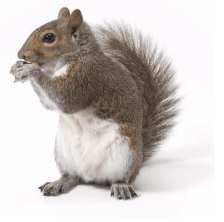
Yes. While squirrels may seem harmless, they cause serious damage by chewing through electrical wiring, wood framing, and insulation, which significantly increases the risk of an electrical fire. They also tear up insulation for nesting, leave droppings and urine that create odors and contamination, and can carry fleas, ticks, and mites into your home. Squirrels breed up to twice a year, so a small problem can quickly grow as babies are born in the attic. Because they are fast, agile, and can chew through new entry points, DIY removal is rarely effective and often leaves babies trapped or entry points unsealed. Cen-Tex Wildlife Control provides humane squirrel removal, exclusion repairs, and cleanup to protect your home and restore your peace of mind.
Can squirrels find their way back inside?
Yes, they can. Squirrels have a strong sense of territory and excellent memory, so they will often return to a den site that has already proven warm, dry, and safe, especially if they were relocated only a short distance away. Even after the animals are removed, the scent left behind can attract new squirrels, and they will readily chew through weak spots to regain access. That's why sealing entry points is critical. Cen-Tex Wildlife Control performs a complete exclusion, inspecting the entire roofline, repairing damage, and covering vulnerable areas with durable, chew-resistant materials such as heavy-gauge metal. We also clean and deodorize affected areas and recommend prevention steps like trimming overhanging branches. Contact us today to keep squirrels out for good.
What time of year are squirrel problems most common?
Squirrel activity in attics peaks twice a year, in late winter through spring and again in late summer through fall. Squirrels typically breed in two seasons, with litters born in late winter or early spring and again in mid to late summer, so females actively search for safe, warm nesting sites just before each birth. In fall, cooling temperatures drive squirrels to find shelter and a place to store food for winter, and an attic offers both. Problems can occur year-round, but these seasonal peaks are when homeowners most often hear scratching, running, and chewing sounds overhead. Acting early is important, since baby squirrels in the attic can double the damage and complicate removal. Cen-Tex Wildlife Control provides humane squirrel removal, exclusion repairs, and cleanup in every season.
Do you repair damage caused by squirrels?
Yes. Cen-Tex Wildlife Control repairs the damage squirrels leave behind and reinforces your home to keep them from returning. After the animals are humanely removed, our technicians repair and seal every entry point, including damaged fascia, soffits, vents, and roof edges, using durable, chew-resistant materials such as heavy-gauge metal mesh and flashing. We also reinforce vulnerable areas that squirrels commonly target, such as roof-to-wall junctions and gable vents, so they can't simply chew their way back in. If squirrels have contaminated or torn up your insulation, we can also remove and replace affected areas and deodorize the attic.
Bat Removal Frequently Asked Questions
Is bat removal legal in Texas?
Yes, but it must be done the right way. Bats are an important part of the ecosystem, and in Texas they are protected under state law, so they cannot be poisoned, trapped, or killed. Removal has to be handled humanely through exclusion, which uses one-way devices that let bats leave the structure but not get back in. Timing also matters. Bats raise their flightless pups in roosts from roughly late spring through summer, so exclusions are generally avoided during that maternity season to prevent baby bats from being trapped inside. Some species are also listed as threatened or endangered, which adds further restrictions. Cen-Tex Wildlife Control follows all Texas regulations and uses humane, code-compliant exclusion methods, then seals every entry point and cleans up any guano-contaminated areas. Contact us today to schedule an inspection and resolve your bat problem legally and safely.
What is bat exclusion?
Bat exclusion is the humane, standard method for removing bats from a home or building. Rather than trapping or harming them, technicians install one-way devices over the main entry points that allow bats to fly out at night to feed but prevent them from getting back in. Before installation, a thorough inspection identifies every gap, crack, and opening bats could use, since even a small space can serve as an entrance. All other openings are sealed with durable materials, and the one-way devices are left in place for several days until every bat has left. Once the colony is out, the final entry points are permanently closed. Timing is important, because exclusions are generally avoided during the summer maternity season, when flightless pups could be trapped inside. Bat exclusion is also the only legal and effective approach in Texas, where bats are protected. Cen-Tex Wildlife Control performs safe, code-compliant exclusions, then cleans up guano and seals your home against future roosts. Contact us today to schedule an inspection.
Are bats dangerous to humans?
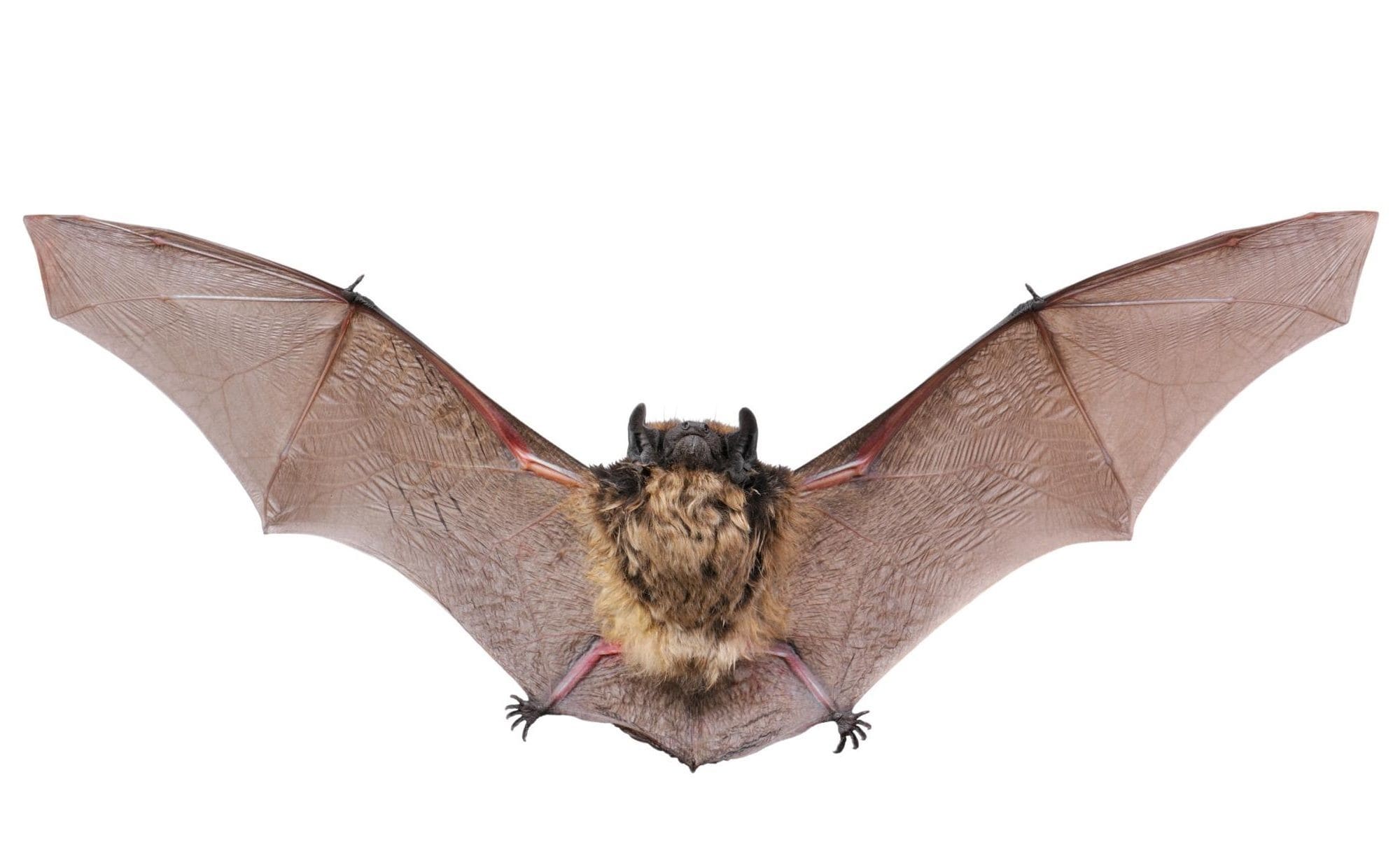
Bats are not aggressive and rarely pose a threat on their own, but a colony in your home can create real health concerns. The biggest risks come from bat guano and urine, which build up in attics and walls. Guano can harbor Histoplasma capsulatum, a fungus that causes histoplasmosis, a respiratory illness that can become serious, especially for children, older adults, and people with weakened immune systems. Bats can also carry rabies, though the risk of a bite is low if they are left alone. Anyone who finds a bat in a living space, or wakes up to one in a bedroom, should avoid handling it and contact a professional or health authority. Guano and urine also leave lasting odors, stains, and moisture damage, and attract insects such as bat bugs. Never attempt to clean guano yourself without proper protective gear. Cen-Tex Wildlife Control safely removes bats through humane exclusion, seals entry points, and performs professional guano cleanup and sanitization. Contact us today to schedule an inspection.
Can bats return after exclusion?
Not if the job is done thoroughly. Bats are creatures of habit and often return to the same roost year after year, so they will try to get back in if any opening remains. Even a gap as small as a half inch can be enough. That's why a complete exclusion starts with a full inspection of the roofline, vents, soffits, and rooflines to locate every possible entry point. Once the colony has left through the one-way devices, we permanently seal all openings with durable, bat-proof materials. Because bats are protected in Texas, this exclusion-based approach is the only legal and effective way to keep them out for good. Guano and scent left behind can also attract new bats, so cleanup and deodorizing are an important part of prevention. Cen-Tex Wildlife Control focuses on complete, long-term solutions, backed by careful sealing and follow-up inspection.
Rat and Mice Removal Frequently Asked Questions
How do rats and mice enter homes?
Rodents can squeeze through openings much smaller than most homeowners expect. Mice can fit through a gap about the size of a dime, and rats through an opening roughly the size of a quarter. Common entry points include cracks in the foundation, gaps around utility lines and pipes, damaged or missing vent screens, unsealed openings around garage doors, and holes in soffits, fascia, and rooflines. Rats are strong climbers and often reach the attic by way of tree branches, power lines, and rough exterior walls, while mice tend to enter at ground level. Both can gnaw through wood, plastic, and even soft metals to widen a gap. Once inside, they contaminate food and surfaces with droppings and urine, chew wiring, and breed quickly, so a small problem can become a major infestation in a matter of weeks. Cen-Tex Wildlife Control performs a thorough inspection to find every entry point, removes rodents, and seals openings with durable, rodent-proof materials.
How fast do rodents reproduce?
Very quickly, which is why early action matters. A female mouse can have 5 to 10 litters per year, with 5 to 8 pups in each litter, and the young reach breeding age in as little as six weeks. Rats reproduce at a similar pace, with females producing up to 5 or 6 litters annually of 6 to 12 pups each. Under ideal conditions, a single pair can turn into dozens of rodents within a few months, and the population can reach the hundreds within a year. Warm, sheltered spaces like attics, walls, and crawl spaces with easy access to food make the perfect breeding ground. As numbers grow, so do the risks: chewed wiring, contaminated food and insulation, damaged property, and the spread of bacteria and parasites. Trapping alone rarely solves the problem because new litters are constantly being born. Cen-Tex Wildlife Control removes rodents, identifies and seals every entry point, and cleans up affected areas to stop the cycle for good.
Do traps alone solve rodent problems?
No. Traps can reduce the number of rodents in your home, but they rarely solve the problem on their own. Rodents breed quickly, so new litters can replace the ones you remove, and if entry points remain open, new rodents will keep finding their way inside. Traps also don't address the root cause, which is how the rodents got in and what is attracting them, such as accessible food, clutter, and sheltered nesting areas. Mice and rats can become wary of traps over time, and poorly placed traps may leave animals behind in walls where they cause odors and contamination. Lasting control requires exclusion, which means inspecting the entire home, sealing every gap, vent, and utility opening with durable, rodent-proof materials, and then removing the rodents already inside. Cen-Tex Wildlife Control combines targeted trapping with complete exclusion and cleanup to stop the cycle and prevent re-entry.
Is rodent damage expensive to repair?
It can be, especially when an infestation goes untreated. Rodents constantly gnaw to keep their teeth worn down, and they often target electrical wiring, which can lead to shorts, power problems, and even house fires. They also tear up and contaminate attic insulation with droppings and urine, and the insulation often has to be removed and replaced. Chewed pipes and ductwork can cause leaks and reduced energy efficiency, and gnawing on wood framing, drywall, and stored belongings adds to the cost. Rodents also spoil and contaminate food, creating additional health concerns. The longer they stay, the more extensive the damage becomes, so early treatment is almost always less expensive than repairs after a long-term infestation. Cen-Tex Wildlife Control removes rodents, seals every entry point, and cleans up affected areas to stop damage before it grows. We also recommend a licensed electrician inspect any chewed or exposed wiring.
🧰 WILDLIFE EXCLUSION
What is wildlife exclusion?Wildlife exclusion involves sealing all potential entry points to prevent animals from entering your home.
Is exclusion better than trapping?Yes. Trapping without exclusion often leads to repeat infestations. Exclusion provides permanent protection.
What areas of the home are sealed?We seal rooflines, vents, soffits, siding gaps, chimneys, and other vulnerable areas.
How long does exclusion last?When done correctly, wildlife exclusion provides long-term protection.
Is exclusion better than trapping?Yes. Trapping without exclusion often leads to repeat infestations. Exclusion provides permanent protection.
What areas of the home are sealed?We seal rooflines, vents, soffits, siding gaps, chimneys, and other vulnerable areas.
How long does exclusion last?When done correctly, wildlife exclusion provides long-term protection.
🧼 ATTIC CLEANING
When is attic cleaning necessary?Attic cleaning is necessary after wildlife infestations to remove waste, contaminated insulation, and odors.
Is animal waste hazardous?Yes. Animal droppings can carry bacteria and affect indoor air quality if not properly removed.
Do you remove the contaminated insulation? Yes. We remove damaged insulation and can replace it if needed.
Will attic cleaning, remove odors?Yes. Our sanitation and deodorization process eliminates lingering odors.
Is animal waste hazardous?Yes. Animal droppings can carry bacteria and affect indoor air quality if not properly removed.
Do you remove the contaminated insulation? Yes. We remove damaged insulation and can replace it if needed.
Will attic cleaning, remove odors?Yes. Our sanitation and deodorization process eliminates lingering odors.
How can we help you with your wildlife issue?
We're Here to Help
Get in Touch
We maintain clear, consistent communication with our customers from the initial inspection through the completion of your wildlife removal service. If you need a quote or have questions about our wildlife removal, or exclusion services in Austin, TX, feel free to contact us anytime. Our team is ready to help and looks forward to assisting you soon.
Hours
Open today 12:00 am – 11:45 pm
Sunday-SaturdayEmergency Services 24/7
Sunday-SaturdayEmergency Services 24/7
Service Locations
We proudly serve homeowners across Austin and the greater Central Texas area, including Leander, West Lake Hills, Spicewood, Manor, Bee Cave, Round Rock, Pflugerville, Georgetown, Cedar Park, Hutto, Dripping Springs, Taylor, Tarrytown, Rollingwood, Horseshoe Bay, Driftwood, Lakeway, Liberty Hill, and nearby communities. Local experience means we understand Texas wildlife behavior and seasonal activity patterns.