Professional Snake Removal & Prevention in Austin, TX
Finding a snake inside your home or garage is unsettling and in Central Texas, some species are venomous. Cen-Tex Wildlife Control specializes in the humane removal of snakes from all types of structures in Austin, TX. Our experienced team safely identifies, captures, and relocates snakes while also addressing entry points, nesting areas, and conditions that attract snakes to your property in the first place.

With snake encounters on the rise across Austin and surrounding areas, our professional services protect your home or business from the safety risks and stress that come with an unwanted snake presence. Cen-Tex Wildlife Control provides professional snake removal and long-term control for homes and businesses across Austin and surrounding areas. Whether it's a non-venomous rat snake in your attic or a rattlesnake near your foundation, we respond quickly and safely. Call (512) 800-4483 for 24/7 snake removal.
Venomous vs. Non-Venomous Snakes Found in Austin, TX
Not every snake you spot in your yard is dangerous, but in Central Texas, enough of them are that you should never take chances. Austin's diverse landscape of creeks, greenbelts, rocky terrain, and expanding neighborhoods creates ideal habitat for a wide variety of snake species. Knowing what's slithering around your property could save your life. With Cen-Tex Wildlife Control, our technicians are trained to identify and safely remove both venomous and non-venomous snakes from Austin area homes and businesses.
Venomous Snakes in the Austin, Texas Area
Austin is home to six venomous snake species that residents should know and watch for. The Western Diamondback Rattlesnake is one of the most common dangerous snakes in Central Texas, typically found around rock outcroppings, under sheds, and in rural yards. Copperheads prefer wooded areas, gardens, and piles of leaf litter, making them a frequent and well-camouflaged threat in backyard settings. The Timber Rattlesnake tends to stick to heavily wooded or rocky terrain, while the Western Massasauga is more commonly encountered in grasslands and marshy areas throughout the region. Prairie Rattlesnakes are typically spotted in open fields and on ranch properties across Central Texas. Finally, the Cottonmouth, also known as the Water Moccasin, is Austin's most water-associated venomous species, commonly found near ponds, creeks, drainage ditches, and backyard pools.
Austin is home to several dangerous snake species that pose a real threat to people, children, and pets. If you spot any of these on your property, do not approach. Call Cen-Tex Wildlife Control immediately.
Non-Venomous Snakes in the Austin, Texas Area
While not every snake in Austin poses a danger, even harmless species can startle homeowners and cause concern when found inside a structure. The Texas Rat Snake is one of the most frequently encountered non-venomous snakes in Central Texas, commonly turning up in attics, garages, and barns where rodents are present, making them a natural but unwelcome houseguest. Milk Snakes tend to favor cooler, darker spaces and are often discovered in basements and crawl spaces beneath homes. The Black-Headed Snake is a smaller, more discreet species typically found in gardens and areas of moist soil around the yard. The Bullsnake, also known as the Gopher Snake, is one of Central Texas's larger non-venomous species and is commonly found in basements and outbuildings across the Austin area.
Important: Most snake calls we receive in Austin involve non-venomous species. Many harmless snakes rattle their tails or strike defensively when cornered, which causes homeowners to mistake them for rattlesnakes. Our technicians are trained to identify species on-site and handle removal accordingly.
When In Doubt, Call the Professionals
Even experienced Austinites misidentify snakes and a misidentified copperhead or rattlesnake can result in a life-threatening bite. Whether the snake on your property is venomous or not, Cen-Tex Wildlife Control provides fast, safe, and humane removal so you never have to guess. We serve Austin, Round Rock, Pflugerville, Cedar Park, Georgetown, and all surrounding Central Texas communities. Spot a snake? Don't wait, call Cen-Tex Wildlife Control today.

Signs You Have a Snake Problem on Your Property
Snakes are expert hiders, most homeowners never see one directly until the problem is well established. Knowing what to look for can help you catch an issue early and get professional help before a snake encounter turns dangerous. Watch for these warning signs:
- Shed skins: when you see shed snake skin turning up in attics, crawl spaces, garages, or basements this is a clear sign a snake has been living in or moving through your home.
- Slither tracks: you may see slither tracks in dusty attic floors or disturbed insulation, leaving telltale winding trails through settled debris.
- Droppings: snake droppings are long, tubular, and often contain hair or small bone fragments from digested prey.
- Unusual sounds: typically in walls or ceilings snakes move silently, but the rodents they hunt often create scratching and movement noises that signal snake activity nearby.
- Visual sightings: you may see the snake on your roof, in the yard, around your foundation, or inside living areas of your home.
Our Safe & Humane Snake Removal Process
Thorough Property Inspection
Every snake removal starts with a comprehensive inspection of your home's interior and exterior. Our technicians locate the snake, identify exactly how it entered your property, and assess whether a rodent, bird, or other wildlife infestation is present nearby. Snakes follow their food source, if prey is on your property, snakes will keep coming back until that food source is eliminated.
Safe Capture & Humane Relocation
Once located, our trained technicians safely capture the snake using professional equipment and relocate it to an appropriate natural habitat well away from residential areas. We never use poisons, traps, or harmful chemicals, protecting your family, your pets, and the local ecosystem in the process.
Entry Point Sealing & Exclusion
After the snake is removed, we seal the gaps, cracks, and openings it used to access your property. This includes foundation gaps, soffits, weep holes, vents, and rooflines. We also provide recommendations for landscaping adjustments such as trimming tree limbs and shrubs that contact the structure, which are among the most common and overlooked snake entry points in Austin area homes.
Ready to get started? Contact Cen-Tex Wildlife Control today for fast, professional snake removal throughout Austin and Central Texas.
How Snakes Get Into Austin Homes
Most Austin homeowners are surprised to learn that snakes are excellent climbers and remarkably skilled at finding their way into a structure. In Central Texas, snakes commonly enter homes through:
- Overhanging tree limbs, shrubs, and fences that give snakes direct rooftop access without ever touching the ground.
- Mortar gaps between bricks and downspouts that provide easy vertical climbing routes up the exterior of your home.
- Foundation gaps, weep holes, and crawl space vents, small openings that snakes can squeeze through with ease.
- Rodent and wildlife scent trails, if mice, rats, birds, or squirrels are already living in your attic or walls, snakes will follow their scent directly to the same entry points.

Snakes Found in Austin, Texas — Know What's in Your Yard
Western Diamondback Rattlesnake: Austin's Most Dangerous Snake
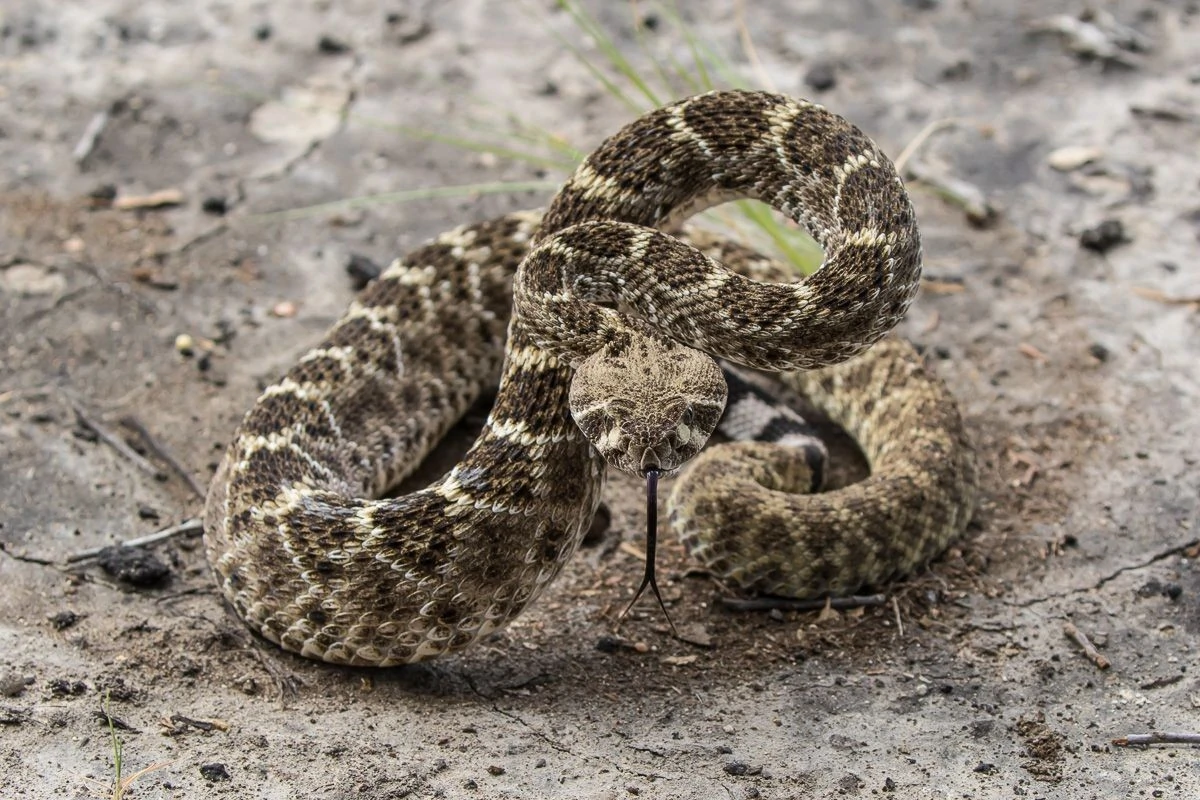
The Western Diamondback Rattlesnake is the most commonly encountered venomous snake in Central Texas and one of the most dangerous. Recognizable by its distinctive diamond-shaped pattern along its back, black and white banded tail, and iconic rattle, this snake can grow up to seven feet long and strikes with no warning. Diamondbacks are commonly found around rocks, cedar brush, under sheds, and in rural yards across the Austin area. If you hear a rattle or spot this snake on your property, back away slowly and call Cen-Tex Wildlife Control immediately.
Copperhead: Austin's Most Frequently Encountered Venomous Snake
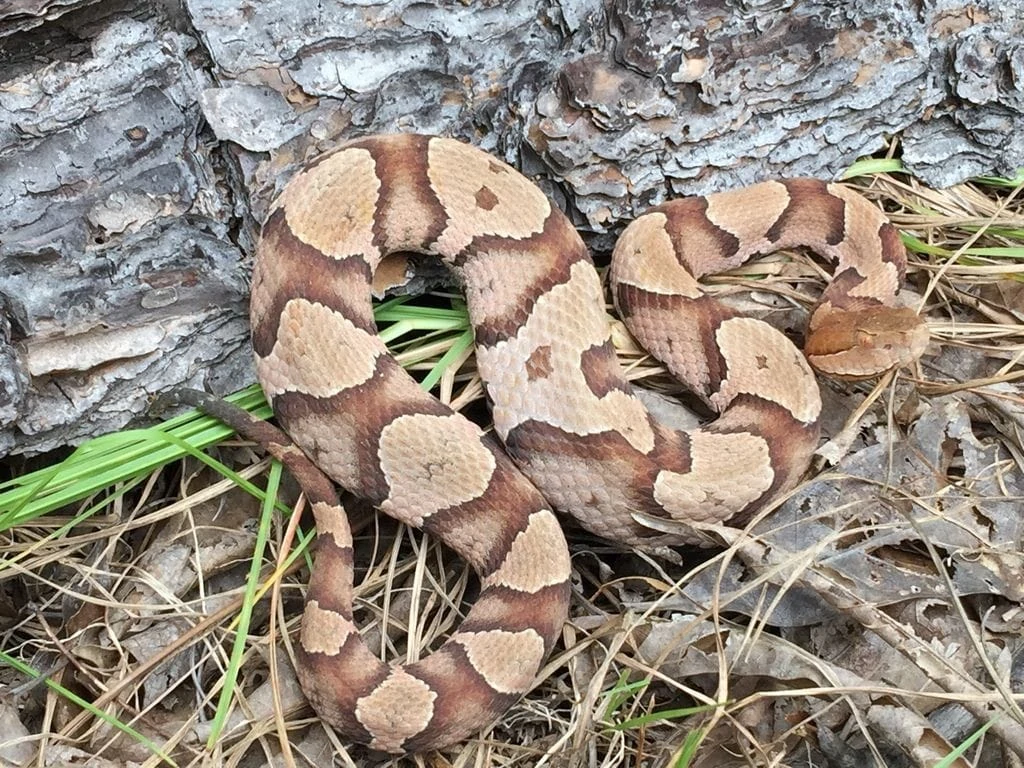
The Copperhead is responsible for more venomous snake bites in the United States than any other species. Copperheads are medium-sized snakes with a hourglass pattern of brown and copper bands, making them dangerously well-camouflaged in leaf litter and garden beds. They are ambush predators that rely on their camouflage rather than fleeing, which means homeowners often don't spot them until they are dangerously close. Provide extra caution when working in the yard, moving woodpiles, or walking in wooded areas around your Austin property.
Timber Rattlesnake: Austin's Forest Dweller
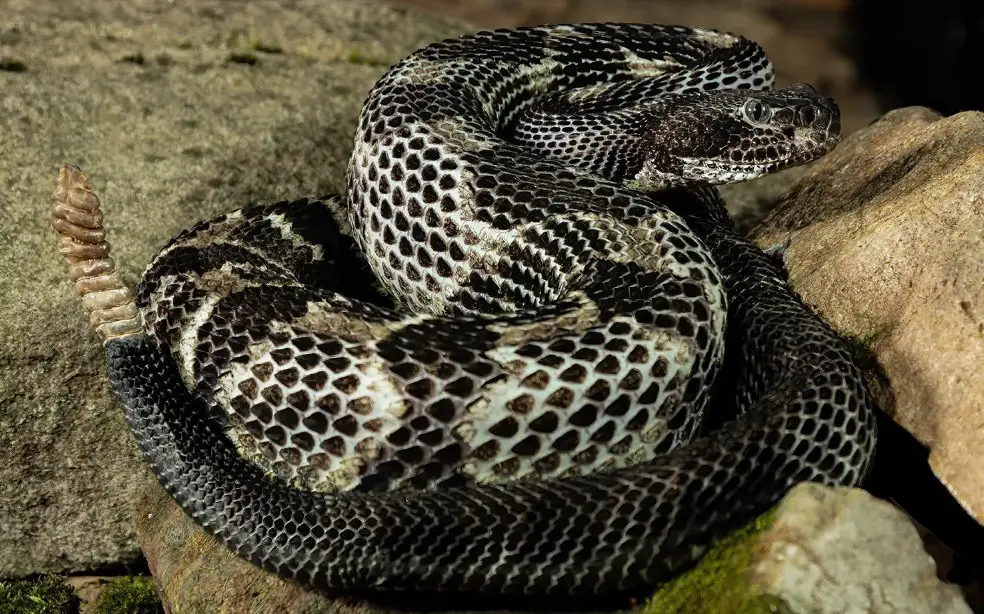
The Timber Rattlesnake is one of the largest and most powerful venomous snakes in North America, commonly found in the wooded and rocky terrain of Central Texas's Hill Country and eastern Austin. They feature a dark pattern over a yellowish or grayish body and can grow up to six feet in length. Timber Rattlesnakes are generally less aggressive than Diamondbacks but deliver an extremely potent venom that requires immediate medical attention.
Western Massasauga: Austin's Small But Dangerous Rattlesnake
Don't let its small size fool you, the Western Massasauga is a venomous rattlesnake found throughout Central Texas grasslands and marshy areas that deserves serious respect. Typically growing between 18 and 24 inches, it is one of the smaller rattlesnake species but carries a hemotoxic venom that requires medical treatment. The Massasauga has a grayish-brown body with dark brown blotches and a small but functional rattle that may be difficult to hear. These snakes are often encountered near wet meadows, prairie edges, and drainage areas around Austin area properties.

Cottonmouth (Water Moccasin): Austin's Most Water-Associated Venomous Snake
The Cottonmouth, commonly known as the Water Moccasin, is Austin's most water-associated venomous snake and one of the few aquatic pit vipers in the world. Named for the bright white interior of its mouth which it displays as a warning, the Cottonmouth is a thick-bodied, aggressive snake that will stand its ground rather than flee when threatened. Dark olive to black in coloration with faint banding, Cottonmouths are commonly found near Austin's creeks, ponds, drainage ditches, and backyard pools. Unlike many snakes that prefer to avoid confrontation, the Cottonmouth is known for its aggressive defensive behavior — making it particularly dangerous for children and pets near water.

Texas Rat Snake: Austin's Most Common Non-Venomous Snake
The Texas Rat Snake is the most frequently encountered non-venomous snake in the Austin area and one of the most misidentified — its aggressive defensive behavior and tendency to vibrate its tail like a rattlesnake cause many homeowners to mistake it for a venomous species. Typically growing between four and six feet, Texas Rat Snakes are excellent climbers and are commonly found in attics, barns, and garages where rodents are present. They feature a blotched pattern of dark brown or olive markings over a lighter gray or yellowish body. While harmless to humans, their presence inside a structure is a clear sign of a rodent problem that needs to be addressed.

Milk Snake: Austin's Most Misidentified Non-Venomous Snake
The Milk Snake is one of Central Texas's most visually striking non-venomous snakes — and one of the most misidentified. Its bold pattern of red, black, and yellow or white banding causes many Austin homeowners to mistake it for the highly venomous Coral Snake. A simple rhyme helps distinguish the two: "Red touch yellow, kill a fellow — red touch black, friend of Jack." Milk Snakes are secretive, nocturnal, and commonly found in basements, crawl spaces, and cool dark areas around the home. They are completely harmless to humans and play a valuable role in controlling rodent and small prey populations around your property.

Bullsnake / Gopher Snake: Austin's Largest Non-Venomous Snake
The Bullsnake, also known as the Gopher Snake, is one of the largest non-venomous snakes in Central Texas, commonly growing between four and six feet with some individuals reaching up to eight feet in length. Like the Texas Rat Snake, Bullsnakes are dramatic mimics — hissing loudly, flattening their heads into a triangular shape, and vibrating their tails when threatened, causing many homeowners to mistake them for rattlesnakes. They feature a yellowish or tan body with dark brown rectangular blotches running the length of their back. Bullsnakes are actually highly beneficial, consuming large numbers of rodents, and are commonly found in basements, outbuildings, and open fields around Austin area properties.

How can we help you with your snake issue?
Get in Touch
Hours
Open today 12:00 am – 11:45 pm
Sunday-SaturdayEmergency Services 24/7
Sunday-SaturdayEmergency Services 24/7
Service Locations
We proudly serve homeowners across Austin and the greater Central Texas area, including Leander, West Lake Hills, Spicewood, Manor, Bee Cave, Round Rock, Pflugerville, Georgetown, Cedar Park, Hutto, Dripping Springs, Taylor, Tarrytown, Rollingwood, Horseshoe Bay, Driftwood, Lakeway, Liberty Hill, and nearby communities. Local experience means we understand Texas wildlife behavior and seasonal activity patterns.
Frequently Asked Snake Removal Questions
How do I get rid of a snake in my house?
If you find a snake inside your home, the most important thing you can do is stay calm and call a professional immediately. Do not attempt to catch, corner, or kill the snake — even non-venomous species will bite when threatened, and misidentifying a venomous snake can result in a life-threatening emergency. Keep children and pets away from the area, try to contain the snake to one room by closing doors, and note its last known location. CenTex Wildlife Control responds quickly to snake calls across Austin and Central Texas, safely removing and relocating the snake and inspecting your home to prevent it from happening again.
Are There Venomous Snakes in Austin, TX?
Yes — Austin and the surrounding Central Texas area are home to several venomous snake species that pose a real danger to people and pets. The most commonly encountered venomous snakes in the Austin area include the Western Diamondback Rattlesnake, Copperhead, Timber Rattlesnake, Western Massasauga, Prairie Rattlesnake, and the Cottonmouth also known as the Water Moccasin. Austin's diverse landscape of creeks, greenbelts, rocky terrain, and expanding residential neighborhoods creates ideal habitat for all of these species. If you spot a snake on your property and are unsure whether it is venomous, treat it as dangerous and call CenTex Wildlife Control immediately.
What Attracts Snakes to My Yard?
Snakes are almost always drawn to a property by one thing — a reliable food source. Rodents like mice and rats are the number one attractant, followed by birds, frogs, and lizards commonly found in Central Texas yards. Beyond food, snakes are also attracted to properties that offer ideal shelter and hiding spots such as tall grass, woodpiles, rock piles, dense shrubs, and cluttered garages or outbuildings. Water features like ponds, birdbaths, and pools also draw snakes in search of hydration and prey. The most effective way to make your yard less attractive to snakes is to eliminate rodent activity, keep vegetation trimmed, and seal any gaps or openings around your home's foundation and structure.
How Do I Know If a Snake Is Venomous?
Identifying a venomous snake from a safe distance can be difficult and is genuinely best left to a trained professional. That said, there are a few general characteristics to look for from a safe distance. Venomous pit vipers common in Central Texas — including rattlesnakes and copperheads — typically have triangular or arrow-shaped heads, thick bodies relative to their length, and vertical elliptical pupils similar to a cat's eye. Rattlesnakes will also have a visible rattle at the tail. However, several non-venomous species mimic these features as a defense mechanism, making visual identification unreliable for the untrained eye. The safest rule is simple — if you cannot identify the snake with absolute certainty, assume it is venomous and call CenTex Wildlife Control immediately.
How Much Does Snake Removal Cost in Austin, TX?
Snake removal costs in Austin typically vary depending on the species involved, the location of the snake on the property, and whether exclusion or follow-up services are needed. In general, professional snake removal in the Austin area ranges from $150 to $400 for a single removal visit, with additional costs for entry point sealing, exclusion work, and any concurrent rodent or wildlife infestations that may be attracting snakes to the property. At CenTex Wildlife Control we provide transparent, upfront pricing with no surprise fees. Contact us today for a free property assessment and an honest quote tailored to your specific situation.
What Do I Do If I Find a Snake in My Garage?
Finding a snake in your garage is one of the most common snake calls we receive across Austin and Central Texas — and it is almost always a sign that the snake entered through a gap under the garage door, a foundation crack, or an opening around pipes or utility lines. If you discover a snake in your garage, do not attempt to chase it out or handle it. Close the door between your garage and living space immediately to prevent it from entering your home, keep children and pets away, and call CenTex Wildlife Control right away. Our technicians will safely remove the snake and inspect your garage for the entry points it used to get inside so we can seal them and prevent a repeat visit.
How Do I Keep Snakes Out of My Yard in Austin?
Keeping snakes out of your Austin yard starts with eliminating what draws them in. Start by addressing any rodent activity around your home — mice and rats are the primary food source that attracts snakes to residential properties in Central Texas. Keep your grass cut short, remove woodpiles and rock piles away from the house, trim shrubs and tree limbs that touch the structure, and clear out any clutter in garages, sheds, and outbuildings where snakes like to hide. Seal gaps in your foundation, weep holes, vents, and around utility penetrations to remove easy entry points. For long-term protection, CenTex Wildlife Control offers professional snake exclusion services that keep snakes off your property season after season.
Is It Illegal to Kill Snakes in Texas?
In Texas, it is legal to kill non-protected snake species on your own property — however there are important exceptions every homeowner should know. Several snake species in Texas are protected under state or federal law, including the Texas Indigo Snake and certain rattlesnake species in specific regions, meaning killing them can result in significant fines. Additionally, attempting to kill a venomous snake dramatically increases your risk of being bitten — a dangerous gamble that sends thousands of Texans to the emergency room every year. Even when legal, killing a snake does not solve the underlying problem that brought it to your property in the first place. CenTex Wildlife Control provides humane, legal snake removal that protects you, your family, and the local ecosystem.
Do Snake Repellents Actually Work?
This is one of the most common questions we hear from Austin homeowners — and the honest answer is that most commercially available snake repellents offer little to no reliable protection. Products containing sulfur, naphthalene, or cinnamon oil are widely sold but have not been proven effective in peer-reviewed studies, and many snakes will simply cross through treated areas without hesitation. Electronic vibration devices and ultrasonic repellers are similarly ineffective against snakes. The only truly reliable snake deterrent methods are physical exclusion — sealing entry points, eliminating food sources, and modifying your landscape to make your property less attractive to snakes. If you have tried repellents and are still seeing snake activity, contact CenTex Wildlife Control for a property inspection and a permanent solution that actually works.
Emergency Snake Removal in Austin, TX
If you encounter a snake inside your home, do not attempt to handle it yourself. Back away slowly, keep the area contained if possible, and call us immediately. We offer emergency snake removal with fast response times across Austin, Round Rock, Cedar Park, Leander, Georgetown, Lakeway, Pflugerville, Dripping Springs, and the greater Hill Country.